
Mold in Older Ann Arbor Homes: Basements, Plaster and Pre-1940 Houses
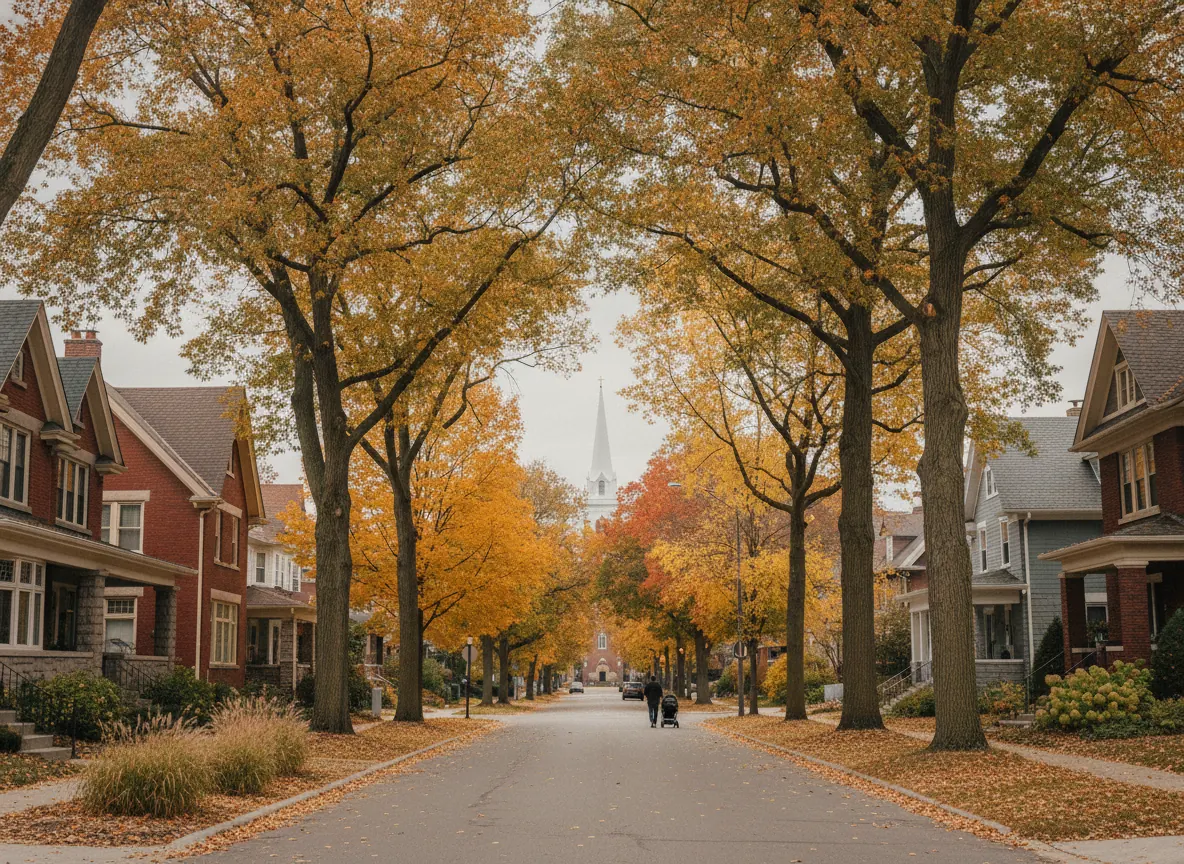
Older houses are part of what makes Ann Arbor, MI feel like Ann Arbor. They also tend to handle moisture differently from new construction. Many were built before vapor barriers, exhaust fans and modern drainage were standard, and decades of updates can trap water in places the original builders never planned for. This post covers how old the housing here really is, where mold tends to show up in older homes, and what to think about before a company opens up walls in a historic house.
How old are Ann Arbor-area homes?
The Census Bureau's American Community Survey (2020–2024) gives a picture of the housing across Washtenaw County:
| Place | Median year built | Built before 1940 | Built before 1960 |
|---|---|---|---|
| Ann Arbor | 1971 | 14.8% | 29.7% |
| Ypsilanti (city) | 1956 | 32.3% | 53.4% |
| Chelsea | 1971 | 31.8% | 43.0% |
| Milan | 1969 | 20.6% | 44.2% |
| Dexter | 1997 | 16.8% | 29.3% |
| Washtenaw County | 1978 | 11.5% | 25.1% |
Small towns have small survey samples, so treat those percentages as approximate. The pattern is still clear: Ypsilanti and Chelsea have a large share of pre-1940 houses, and about 63% of Ann Arbor's homes were built before 1980.
Where mold shows up in older homes
Every house is different, but the same places come up again and again in older homes.
Basements and foundations
Older foundations were often built without the drainage and damp-proofing that are common today, and stone or block walls can let water through. Add humid southeast Michigan summers, with dew points around 61°F at Detroit Metro airport (NOAA 1991–2020 normals), and a basement can stay damp for months. Look for musty smells, stains at the base of the walls, and a white crust on masonry. The basement mold page and our post on why Michigan basements get moldy go into detail.
Attics
Many older attics have little ventilation. When insulation is added, or a bath fan is vented into the attic instead of outside, warm moist air from the house can reach cold roof boards in winter and condense. The result is dark staining on the underside of the roof sheathing. See attic mold for the usual causes.
Bathrooms and kitchens
Bathrooms in older homes often have no exhaust fan, or one that vents nowhere useful. Spotting on the ceiling above the shower and peeling paint are the usual signs. Kitchens without a range hood that vents outside can do the same.
Additions and porches
Additions, enclosed porches and back rooms are often built over crawl spaces, sometimes with a dirt floor and no vapor barrier. Moisture from the ground can rise into the floor framing. The crawl space mold page covers what to look for.
Behind updates
Paneling over a basement wall, carpet on a slab, vinyl wallpaper on an outside wall, or new insulation packed into an old wall can all hold moisture against a surface that used to dry out on its own. Mold behind a remodel is easy to miss until it smells.
Plaster vs. drywall
Many older homes have plaster on wood or metal lath instead of drywall. Plaster is harder and denser, and surface mold on painted plaster can sometimes be cleaned rather than removed. When plaster is wet through or the lath behind it is moldy, removal is messier and heavier than cutting out drywall, and patching plaster takes a different skill set. Ask each company how it plans to handle plaster, and whether it will patch with plaster or replace with drywall.
Painted surfaces in pre-1978 homes. Many older homes have layers of old paint, and some of it may contain lead. Before a company cuts, sands or demolishes painted surfaces, ask whether lead-safe work practices apply to your job and how the company handles them.
Historic districts: what to know before you fix the moisture
Ann Arbor has 15 local historic districts, from single properties up to districts with hundreds of homes. The Old West Side is one of the best known; it has been on the National Register of Historic Places since 1972 and is made up mostly of small single-family homes from roughly 1860 to 1914.
Inside a local historic district, exterior changes such as windows, siding or grading may need Historic District Commission review. That matters for mold because some of the best moisture fixes are on the outside of the house: regrading soil away from the foundation, replacing rotted siding, or changing windows. Ask the city's historic preservation staff before planning that work. Interior mold cleanup and drying usually don't involve the commission, but check if you're unsure.
Ypsilanti's historic district, which includes Depot Town, is one of Michigan's largest. Chelsea's downtown and Milan's Main Street are also on the National Register. If you own an older home in any of these towns, ask your city about local review before exterior work.
What a mold job in an older house usually involves
Find the moisture
Leaks, condensation, groundwater, or air from the house reaching a cold surface.
Contain the area
Older houses often have open chases, gaps around pipes, and floors that aren't sealed, so containment matters.
Remove and clean
Remove what can't be cleaned, clean what can, and dry framing and masonry.
Fix the source and rebuild
Repair and rebuild work of $600 or more, such as drywall, plaster, insulation or framing, generally needs a LARA Residential Builder or Maintenance & Alteration license.
What it costs
Published national estimates put a typical mold job at about $1,500–$9,000 (Fixr, Aug 2025) or $1,200–$3,750 (This Old House with Angi data, Mar 2026). Older homes can land at the higher end when plaster, lath or old insulation has to come out, or when access is tight. Those figures are not quotes. The Ann Arbor mold remediation cost guide has ranges by area of the house and a calculator.
Questions to ask before you hire
- How will you handle plaster and lath, and who patches it?
- What is causing the moisture, and what will be done about it?
- Your LARA license number for any rebuild work of $600 or more
- How will you contain the area in a house with open chases and old floors?
- How do you handle painted surfaces that may contain lead?
- A written scope, proof of insurance, and how the work will be checked at the end
Michigan doesn't license mold remediation companies, and EPA says testing usually isn't needed when you can see mold. For areas under about 10 square feet, EPA says homeowners can often clean it themselves. If you're planning a sale or the source is hidden, an independent test can help; see mold inspection and testing.
About this site. Ann Arbor Mold Experts is a free quote service, not a mold company. You describe the problem once, and independent local companies, which may pay to receive requests, can reply with quotes. Describe your situation any time; companies reply on their own schedules.
Frequently asked questions
Are older Ann Arbor homes more likely to have mold?
Not automatically, but older homes often lack vapor barriers, exhaust fans and modern foundation drainage, and later updates can trap moisture. About 63% of Ann Arbor homes were built before 1980 (ACS 2020–2024). Mold follows moisture, so check basements, attics and bathrooms.
Can mold on plaster walls be cleaned?
Surface mold on sound, painted plaster can sometimes be cleaned. If the plaster is wet through or the lath behind it is moldy, it usually has to be removed, which is heavier work than cutting out drywall. Ask each company how it will handle and repair plaster.
Do I need historic district approval for mold repairs in Ann Arbor?
Interior cleanup usually doesn't. But in Ann Arbor's 15 local historic districts, exterior changes such as windows, siding or grading may need Historic District Commission review. Ask the city's historic preservation staff before planning outside moisture fixes.
Does mold remediation in an old house cost more?
It can. Removing plaster and lath, old insulation, or working in tight crawl spaces and attics adds labor. Published national ranges put a typical job at about $1,200 to $9,000 (Fixr; This Old House with Angi data). Ann Arbor-area quotes vary.