
Mold in Off-Campus Housing: A Checklist for U-M and EMU Students
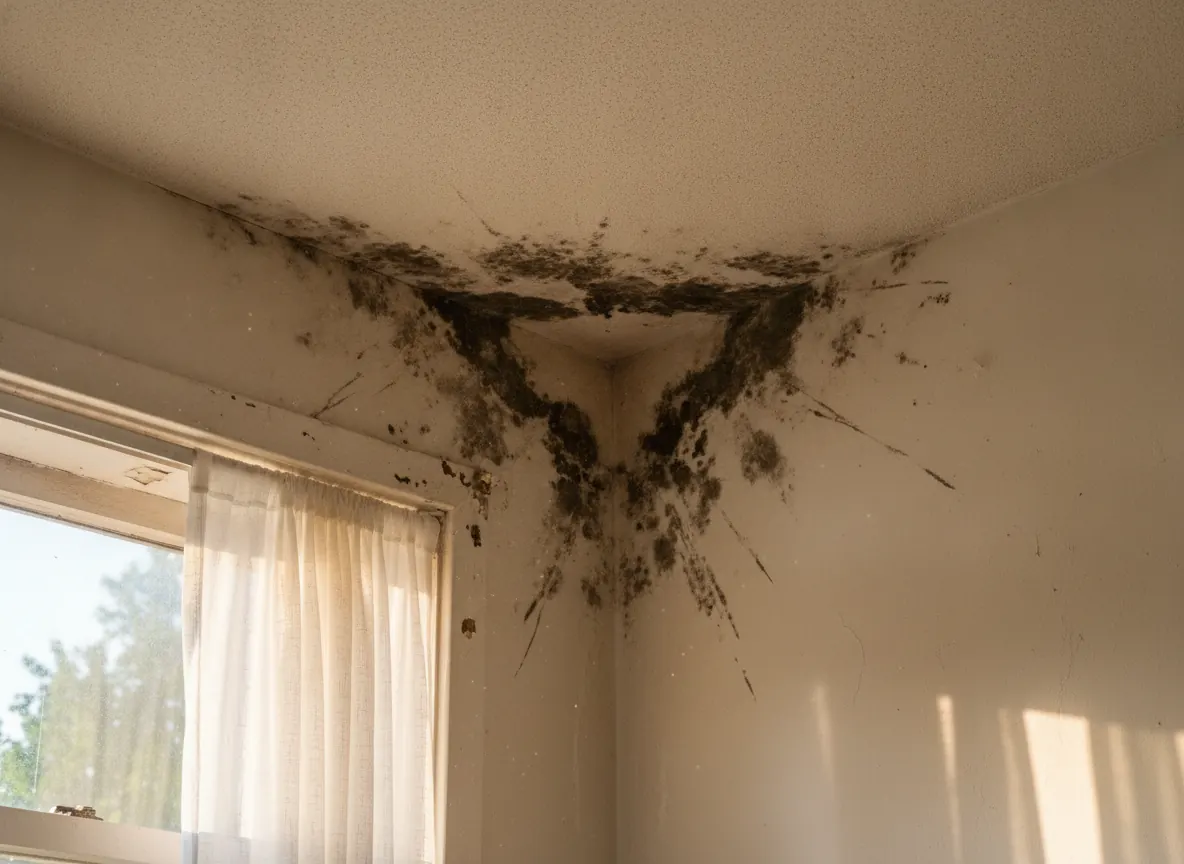
A lot of students in Ann Arbor, MI and Ypsilanti live in older houses split into units, basement apartments, or buildings that have housed a new group of tenants every year for decades. Mold shows up in that kind of housing more than people expect. This checklist is for U-M and EMU students: what to look for before you sign, what to record on move-in day, what you can do day to day, and how to report a problem so it gets fixed.
Not legal advice. This is general information. U-M students can contact Student Legal Services for help with housing matters. Don't hold back rent without legal advice.
Why student rentals get mold
Ann Arbor is a renter city. In the Census Bureau's American Community Survey (2020–2024), 54.5% of occupied homes in Ann Arbor were renter-occupied. In the City of Ypsilanti, home of Eastern Michigan University, it was 66.8%, and the median home there was built in 1956.
Older houses can have damp basements, bathrooms without exhaust fans and single-pane windows that sweat in winter. Add four or five people showering, cooking and drying laundry in a closed-up house from November to March, and moisture has nowhere to go. Mold needs moisture to grow, so the cause is usually water: a leak, a wet basement, or humid air meeting a cold surface.
Before you sign: a touring checklist
- Ask for the rental certificate. In Ann Arbor, units can't be leased or advertised without a valid Certificate of Compliance from the city. In the City of Ypsilanti, landlords also need a certificate of compliance. Ask the landlord to show you the current one.
- Use your nose. A musty smell in a basement unit or closet is a sign of damp, even if you can't see anything.
- Look up. Check bathroom ceilings, the ceiling under any upstairs bathroom, and the corners of outside walls.
- Check windows. Look for black spotting on sills and frames, and peeling paint around them.
- Find the bath fan. Turn it on. If there isn't one, or it doesn't pull air, the bathroom will stay wet.
- Look at the basement. Water lines, stains near the floor, a white crusty film on the walls, and wet carpet are all signs of moisture.
- Ask direct questions. Has there been water in the basement? Any roof or plumbing leaks in the last few years? Who do tenants contact for repairs, and how?
- Get help with the lease. U-M's Student Legal Services helps students with housing matters. Ask whether they can look over your lease before you sign.
Move-in day: record everything
Walk the unit on the first day and take photos of every room, with close-ups of anything stained, damp or spotted. Email the photos to your landlord the same week with a short note listing what you found. That dated email protects you at move-out, and it puts the landlord on notice about any existing problem.
Day to day: what you can control
Some moisture is yours to manage, and managing it helps your case if a problem comes up later.
- Run the bath fan during showers and for a while after.
- Use the kitchen fan when cooking, or crack a window.
- Dry laundry in a dryer that vents outside, not on racks in a bedroom.
- Keep furniture a few inches off cold outside walls so air can move behind it.
- Wipe condensation off windowsills in winter.
- Report drips, leaks and wet spots right away, in writing.
EPA advises keeping indoor humidity below 60%, ideally between 30% and 50%. A cheap humidity meter can show whether your unit runs damp. Basement units in summer often do, because southeast Michigan's summer dew points average about 61°F at Detroit Metro airport (NOAA 1991–2020 normals), and basement walls are often cooler than that.
You found mold: how to report it
Tell your landlord in writing. Email is fine. Keep it short and factual.
A sample email. "Hi, I'm writing to report mold in [unit/room] at [address]. It's on [the ceiling above the shower / the bedroom wall by the window], about [size]. I first noticed it on [date]. I think it may be caused by [a leak from upstairs / water in the basement / no working bath fan]. Photos are attached. Can you let me know what you plan to do and when? Thanks, [name, phone]."
For areas under about 10 square feet, EPA says people can often clean it themselves. That's fine for a few spots on a window frame. It doesn't fix a leak, so report the cause anyway. For anything larger, or anything that comes back, the landlord should arrange the repair.
If it isn't fixed
In Ann Arbor, contact Rental Housing Services at 734-794-6264 to request a complaint form after you have told the landlord. The city notifies the landlord, who must respond with a plan, and an inspection can follow. The city says its office can't test for mold, but if staff can see mold, the owner must treat the visible surfaces.
EMU students renting in the City of Ypsilanti can use the city's property maintenance complaint form (City Hall, 734-483-1100). If you rent in Ypsilanti Township, which is a separate government, ask the township how rental complaints work.
U-M students can contact Student Legal Services. U-M's off-campus housing program, Beyond the Diag, is part of the Dean of Students Office. Others can call Legal Services of South Central Michigan (734-665-6181) for free legal advice if they qualify. Michigan's MCL 554.139 requires landlords to keep rentals fit and in reasonable repair; the Michigan tenant rights and mold guide explains what that means.
| Situation | Who to contact |
|---|---|
| Any mold or leak | Your landlord, in writing, first |
| Not fixed, City of Ann Arbor | Rental Housing Services, 734-794-6264 |
| Not fixed, City of Ypsilanti | City complaint form, City Hall 734-483-1100 |
| Lease or legal questions, U-M student | Student Legal Services |
| Lease or legal questions, others | Legal Services of South Central Michigan, 734-665-6181 |
| Health symptoms | A doctor or campus health service |
Roommates, subleases and moving out
If you share a lease, send the report from one person and copy everyone, so there's one clear record. If you sublet, tell the original tenant and the landlord. At move-out, take the same photos you took at move-in. If mold was reported during the year, your emails show it was there and that you told the landlord.
Is mold in my apartment a health risk?
EPA and CDC say mold can cause stuffy nose, wheezing, and red or itchy eyes or skin in sensitive people. People with allergies, asthma or weakened immune systems may react more strongly. If you have symptoms, see a doctor and mention the mold. Color doesn't tell you how risky a mold is; the black mold page explains why.
For landlords reading this
If you own student housing, the fix starts with the moisture: roof and plumbing leaks, bath fans that vent outside, and dry basements. The rental mold page explains what a typical company does, and the Ann Arbor mold remediation cost guide shows published national ranges. Repair and rebuild work of $600 or more generally needs a LARA-licensed contractor.
About this site. Ann Arbor Mold Experts is a free quote service, not a mold company. You describe the problem once, and independent local companies, which may pay to receive requests, can reply with quotes. Describe your situation any time; companies reply on their own schedules.
Frequently asked questions
What should I do about mold in my student apartment in Ann Arbor?
Photograph it, then tell your landlord in writing with the location, size, date and likely cause. If it isn't fixed in a reasonable time, contact Ann Arbor Rental Housing Services at 734-794-6264. U-M students can also contact Student Legal Services. This is not legal advice.
Can I clean mold in my apartment myself?
For areas under about 10 square feet, EPA says people can often clean it themselves. That works for a few spots on a window frame or bathroom ceiling. Cleaning doesn't fix a leak or a wet basement, so report the cause to your landlord in writing either way.
How do I know if a rental in Ann Arbor passed inspection?
Ann Arbor inspects rentals about every 30 months, and units can't be leased or advertised without a valid Certificate of Compliance. Ask the landlord to show you the current certificate, or ask Rental Housing Services how to check one.
Will my landlord blame me for the mold?
Michigan's repair duty doesn't cover damage from a tenant's willful or irresponsible conduct. Running fans, venting laundry and reporting leaks quickly in writing all help show the moisture wasn't caused by you. Keep your move-in photos and every email.